
ADHD, or Attention Deficit Hyperactivity Disorder, affects millions worldwide. It presents challenges in focus, behavior, and impulse control.
Effective treatment is crucial for managing symptoms and improving quality of life.
Today, a variety of ADHD treatment options are available, from traditional methods to innovative online solutions.
Understanding these options can help individuals and families make informed decisions about managing ADHD.
This article explores the latest ADHD treatment options, including medication, therapy, and online resources.

Understanding ADHD: Symptoms and Diagnosis
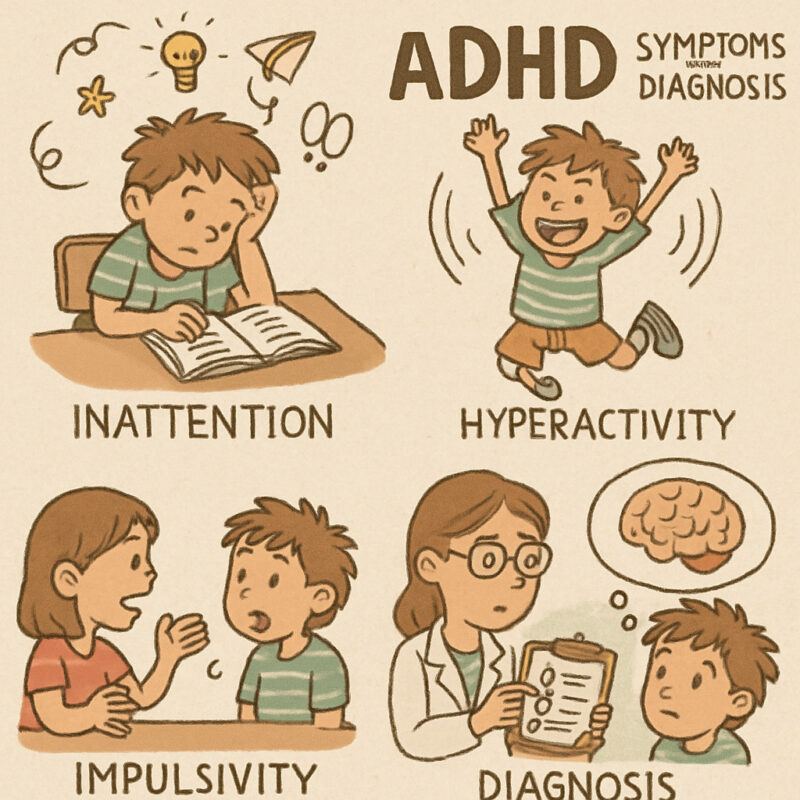
ADHD is a neurodevelopmental disorder. It can appear in childhood and continue into adulthood. Key symptoms include inattention, hyperactivity, and impulsivity.
Symptoms differ among individuals. They may include struggles with organizing tasks, losing items frequently, or fidgeting excessively.
These behaviors can interfere with school, work, and social interactions.
Diagnosis involves a comprehensive evaluation. Healthcare professionals assess symptom patterns and rule out other conditions. This often includes interviews, questionnaires, and observation.
Common ADHD symptoms include:
- Difficulty sustaining attention
- Frequent interrupting
- Difficulty with waiting for turns
Early diagnosis is important. It allows for prompt intervention and improved outcomes for those affected. Understanding the symptoms and diagnosis process is crucial in managing ADHD effectively.
Core Approaches to ADHD Treatment
Treatment for ADHD often involves several methods. Combining medication, therapy, and lifestyle changes is common. This holistic approach addresses both symptoms and root causes.
A personalized ADHD treatment plan is key. Each individual may respond differently to various treatments. It’s crucial to tailor the plan to the person’s unique needs.
Core treatment options include:
- Medication
- Behavioral therapy
- Lifestyle adjustments
By incorporating these elements, treatment can improve daily functioning. This approach helps individuals manage symptoms effectively, leading to a better quality of life.
Medication Options for ADHD
Medications play a significant role in ADHD treatment. They can help improve focus and control impulsive behaviors. There are two main categories: stimulants and non-stimulants.
Stimulant medications are often prescribed first. They are effective for many people with ADHD. However, some may experience side effects or prefer alternatives.
Non-stimulant medications offer an option for those who don’t respond well to stimulants. These medications provide relief, albeit sometimes more gradually.
Common stimulant medications include:
- Methylphenidate
- Amphetamines
Non-stimulant options:
- Atomoxetine
- Guanfacine
Work closely with healthcare providers when considering medications. Regular monitoring helps ensure effectiveness and manage any side effects.

by Mary Borozdina (https://unsplash.com/@mbacloud)

by Ethan Hooson (https://unsplash.com/@ethanhooson)
Stimulant Medications
Stimulant medications are commonly used. They can enhance attention and control hyperactivity. These medications work by balancing neurotransmitters in the brain.
Typical stimulant medications include:
- Methylphenidate (e.g., Ritalin)
- Amphetamines (e.g., Adderall)
It’s important to monitor stimulant use. Though effective, they can cause side effects like sleep issues or appetite loss.

by ilgmyzin (https://unsplash.com/@ilgmyzin)
Non-Stimulant Medications
Non-stimulant medications are an alternative choice. They can be ideal for individuals sensitive to stimulants. Some take longer to show effects but can be equally helpful.
Popular non-stimulant options include:
- Atomoxetine (Strattera)
- Guanfacine (Intuniv)
Discuss these options with a healthcare provider. They can guide decisions based on individual needs and responses.

by Supliful – Supplements On Demand (https://unsplash.com/@supliful)
Behavioral and Psychological Therapies
Therapy is a vital part of ADHD treatment. It focuses on modifying behavior and managing symptoms. Behavioral and psychological therapies provide tools for coping with challenges.
Behavioral therapy can improve social skills and structure. This involves establishing routines and positive reinforcement. It also emphasizes understanding and managing behavior.
Cognitive Behavioral Therapy (CBT) targets thought patterns. It helps individuals change negative thinking and develop problem-solving skills.
Common therapies include:
- Behavioral therapy
- Cognitive Behavioral Therapy (CBT)
Therapy can work well alongside medication. Together, they provide a comprehensive approach to managing ADHD symptoms.

by Katherine Hanlon (https://unsplash.com/@tinymountain)
Cognitive Behavioral Therapy (CBT)
CBT is effective for ADHD. It focuses on changing unhelpful thoughts. This therapy can improve emotional regulation and stress management.
Key CBT strategies include:
- Identifying negative beliefs
- Developing problem-solving skills
- Practicing positive self-talk
CBT provides long-term benefits. It empowers individuals to cope with challenges more effectively.
Parent Training and Family Support
Training for parents is crucial for children with ADHD. It equips them with techniques to support their child. Understanding the disorder is a key aspect of this training.
Benefits of parent training include:
- Improved communication
- Structured home environment
- Consistent disciplinary methods
Family support enhances treatment outcomes. It ensures a nurturing environment for the child’s development.
ADHD Coaching and Support Groups
Coaching helps develop organizational skills. ADHD coaches provide strategies for managing time and achieving goals. This personalized support can boost confidence and independence.
Support groups offer community. They connect individuals with similar experiences, fostering understanding and shared strategies.
Coaching and support group benefits:
- Personalized strategies
- Community connection
- Shared experiences
These resources are vital for comprehensive ADHD management. They offer encouragement and practical advice for those affected.
Online ADHD Treatment: Expanding Access and Options
The digital age has transformed ADHD treatment. Online options provide convenience and accessibility for many. This is particularly useful for those in remote areas or with mobility challenges.
Teletherapy allows people to access therapy from home. It removes the need for travel, offering flexibility and a wider range of specialists. This modality suits individuals with busy schedules or transportation issues.
Numerous online platforms now offer comprehensive ADHD assessments. These include:
- Questionnaires
- Virtual interviews
These assessments often guide personalized treatment plans. Many platforms also offer additional resources such as:
- Articles
- Videos
These tools help individuals and families better understand ADHD. Online treatment can enhance accessibility and provide ongoing support for those affected.

by i am not cheerleader (https://unsplash.com/@agusdonat)
Teletherapy and Virtual Counseling
Teletherapy connects patients and therapists digitally. It provides access to professional help from anywhere, offering greater convenience.
Key teletherapy benefits:
- Flexible scheduling
- Anonymity and privacy
- Reduced travel need
Virtual counseling delivers the same benefits as in-person sessions. It supports effective ADHD management by providing consistent, accessible care.
Online ADHD Assessments and Resources
Online assessments streamline diagnosis. They can be completed at home, facilitating early intervention.
Advantages of online assessments:
- Quick feedback
- Flexible timing
- Comprehensive reports
Resources like articles, forums, and videos enrich understanding. They empower individuals by providing information and support at their fingertips, promoting informed treatment decisions.
Lifestyle Changes and Self-Management Strategies
Lifestyle changes can significantly enhance ADHD management. Implementing healthy habits supports both physical and mental well-being. Such changes are essential complements to other treatment modalities.
Regular exercise is beneficial for ADHD. It boosts focus and reduces hyperactivity. A balanced diet and sufficient sleep further bolster cognitive function and emotional stability.
Integrating these habits requires dedication. They can help manage symptoms and improve quality of life.
- Regular physical activity
- Nutritious meals
- Adequate rest
These lifestyle interventions serve as vital components of a holistic ADHD treatment plan.

by Daniele La Rosa Messina (https://unsplash.com/@danielelarosa)
Exercise, Diet, and Sleep
Physical activity enhances ADHD management. It improves concentration and mitigates impulsivity. Consistent exercise leads to better regulation of symptoms.
Key components include:
- Aerobic exercises
- Strength training
- Leisure activities
A nutritious diet and consistent sleep patterns are equally important. They promote overall health and cognitive enhancement for those with ADHD.
Mindfulness and Technology Tools
Mindfulness practices foster focus and reduce stress. They help individuals manage their reactions and emotions.
Effective methods encompass:
- Meditation
- Breathing exercises
Technology tools, such as planning apps, offer further assistance. They aid in organization, time management, and task completion, supporting ADHD management. These tools enhance self-regulation and productivity.
Creating a Personalized ADHD Treatment Plan
A tailored ADHD treatment plan acknowledges unique challenges and strengths. It involves a comprehensive evaluation of symptoms and personal needs. Collaboration between individuals and healthcare providers ensures its effectiveness.
Essential steps include:
- Identifying personal goals
- Regularly reviewing progress
- Adapting strategies as needed
Creating such a plan fosters better outcomes. It helps maintain focus on symptom management and overall well-being. Flexibility is key, allowing for adjustments over time. This collaborative approach maximizes the benefits of various treatments.
Overcoming Barriers and Finding Support
Accessing ADHD treatment can be challenging due to various barriers. These may include cost, availability, and transportation issues. Finding the right support is crucial for effective management.
Key strategies for overcoming barriers include:
- Seeking financial assistance or insurance options
- Utilizing online ADHD treatment and teletherapy
- Connecting with local support groups and resources
Support from family and friends enhances treatment adherence. A strong support network can improve motivation and resilience. Staying informed about new treatment options also empowers individuals to advocate for themselves.
Looking Ahead: The Future of ADHD Treatment
The future of ADHD treatment holds promise with ongoing research and innovation. Emerging technologies and therapies aim to improve diagnosis and management.
Potential advancements include:
- Enhanced digital tools for symptom tracking
- Integrative therapies combining medication and holistic approaches
- Personalized treatment plans using genetic insights
These developments may lead to more tailored and effective solutions, fostering better outcomes for individuals with ADHD. The hope is for improved quality of life and symptom management as understanding of the disorder grows.
Conclusion: Empowering Individuals with ADHD
Empowering individuals with ADHD requires comprehensive treatment plans and community support. By embracing diverse treatment strategies, those affected can manage symptoms more effectively.
Access to resources and understanding from society can significantly enhance the lives of those with ADHD. With continuous advancements in treatment options, individuals can aspire to lead successful and fulfilling lives. This journey of empowerment is made easier with informed choices and supportive networks.